
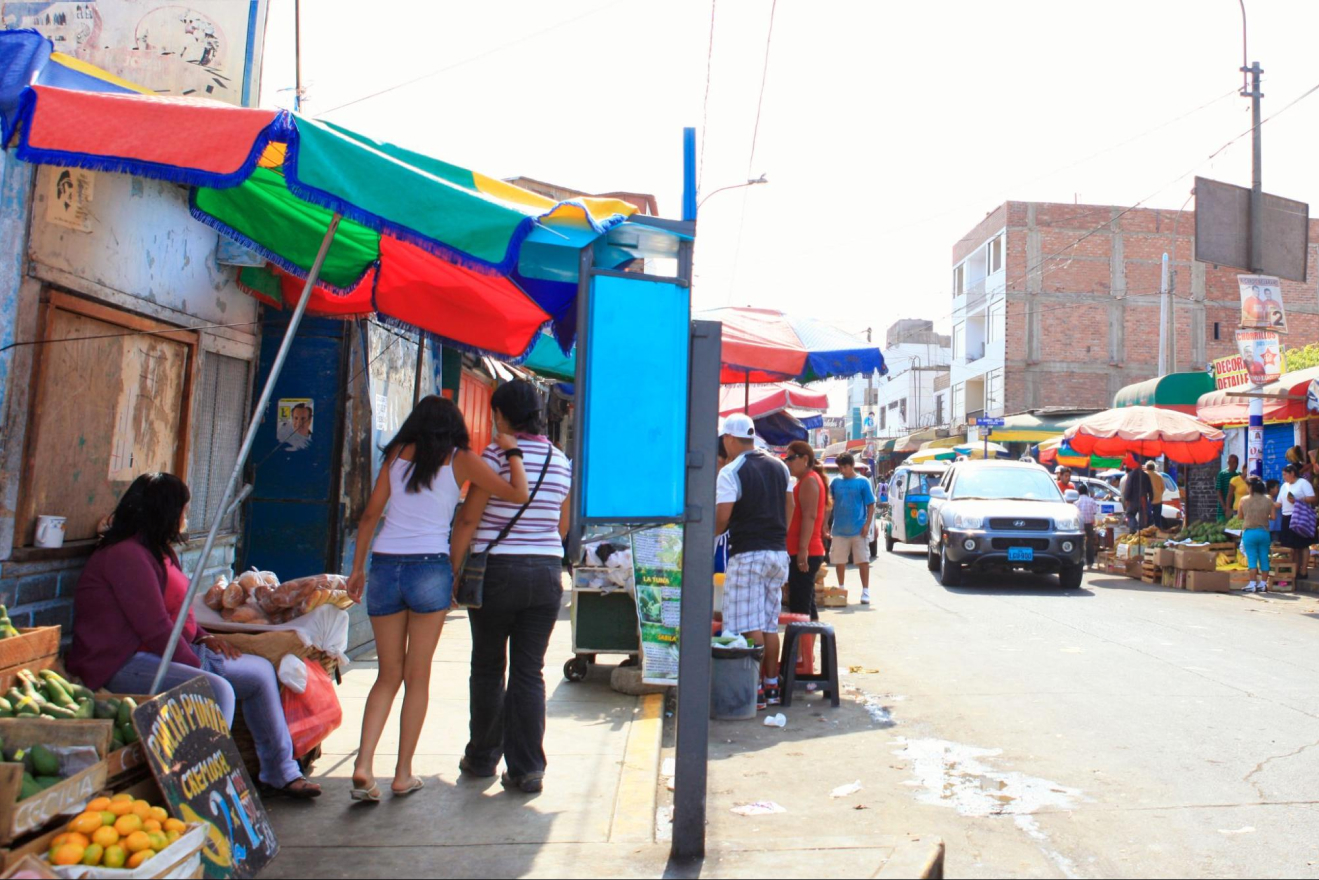
“Most young people [in South Africa] aren’t opportunity entrepreneurs—they’re hustling for survival. They and their work needs to be recognised and supported as such.”Michael Mapstone, CEO, Anglo American Foundation
Recognising a need to actively shift the narrative
These findings and lessons led to a re-think about the concept of youth entrepreneurship; and where and how impact would be possible. This process deliberately started with ‘recognising’ a need to actively shift the narrative around this overlooked segment of ‘informal’ or ‘hustler’ youth entrepreneurs. It is about amplifying the critical existence of this segment in the complex and massive market ecosystem in South Africa. It is about acknowledging them as the critical drivers of our work across our value chains and finance models. Harambee uses the word ‘self-employment2 ’ as an excellent example of trying to change this narrative.
Using this definition as a starting point, alongside the Foundation’s partner, TechnoServe, market research was recently conducted to delve into the journey of a typical township entrepreneur in South Africa. This research3 identified that 20-25% of youth in South Africa’s townships fall into what TechnoServe is calling the ‘self-starter’ category. These self-starters earn income through informal activities such as street vending and are also testing entrepreneurial ideas; most typically without formally employing others.
Zooming in on self-starters
Self-starters are an important category in the TechnoServe ‘four-stage entrepreneurship journey’ spectrum. Self-starters bridge the space between being unemployed and building an early-stage business – they test entrepreneurial ideas, typically without employing others.
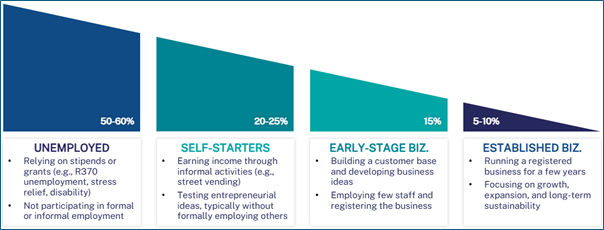
Figure 1: TechnoServe ‘four-stage entrepreneurship journey’ spectrum
Three categories of self-starters have been identified:
- Side-hustlers, who engage in multiple income-generating activities, switching between them quickly. They focus on short-term opportunities, and generate up to R1,500 profit per month.
- Survivalists are solo entrepreneurs running seasonal, opportunistic ventures, sometimes earning approximately R2,500 profit per month. Their focus is on ‘getting by’ rather than building long-term sustainability.
- Builders have typically been operating informally for more than two years, and are earning around R5,000 profit per month. They have a consistent primary customer base and are focused on growing a sustainable business.
While further research is needed on the shift between being unemployed and becoming a self-starter; and transitioning from being a self-starter to an early-stage business, these categories have served as an important starting point for enhancing our recognition of ‘informal youth entrepreneurs.’
More support needed for self-starters
It is clear that more support is needed for self-starter entrepreneurs. Harambee, a key player in the youth entrepreneurship space believes that support to this sector could reduce unemployment by up to 6% in South Africa4. But what does this support look like? Practical ways in which the Anglo American Foundation provides support for self-starters include:
- Continually striving to expand our understanding of self-starters by using innovative artificial intelligence (AI) methods to be able to empirically verify and understand the experiences of workers so that we can quantify and define the value of the work of this segment. We are also using this knowledge to establish what ‘fair’ work means in this context, and how we can move people into ‘fairer’ work.
- Deepening support to self-starters across our value chains and finance models through targeted business development training and mentorship while driving the concept of ‘fair’ work. Embedding mental wellbeing is another critical element of our business development training and mentorship.
- Amplifying the importance and value of this segment as a pathway to fair work for youth. This means sharing our learnings, successes and failures regularly with the youth employment and entrepreneurship space in South Africa.
In addition, we recognise the urgent and important need for urgent national advocacy about self-starters, while there is also a need to gain a better understanding about which self-starter initiatives exist, and which ones are working and scalable; and identifying the most effective advocacy levers for influencing the national agenda around self-starters.
Ecosystem mobilisation through partnership
Successful advocacy can only be achieved through ecosystem mobilisation that is based on practical experience, from funders, partners and experts in the sector. The Anglo American Foundation’s partnership with IPASA to develop, implement and run a youth entrepreneurship funder support initiative is a practical example of ecosystem building to support advocacy for (early) youth entrepreneurship programmes. This initiative incorporates knowledge sharing, collaborative action and advocacy. We are calling on other funders to partner with us on this vital journey!
This article was published on Independent Philanthropy Association South Africa
(IPASA)’s website.