AAF launches Aseli Impact Capital to unlock growth for South Africa’s green MSMEs

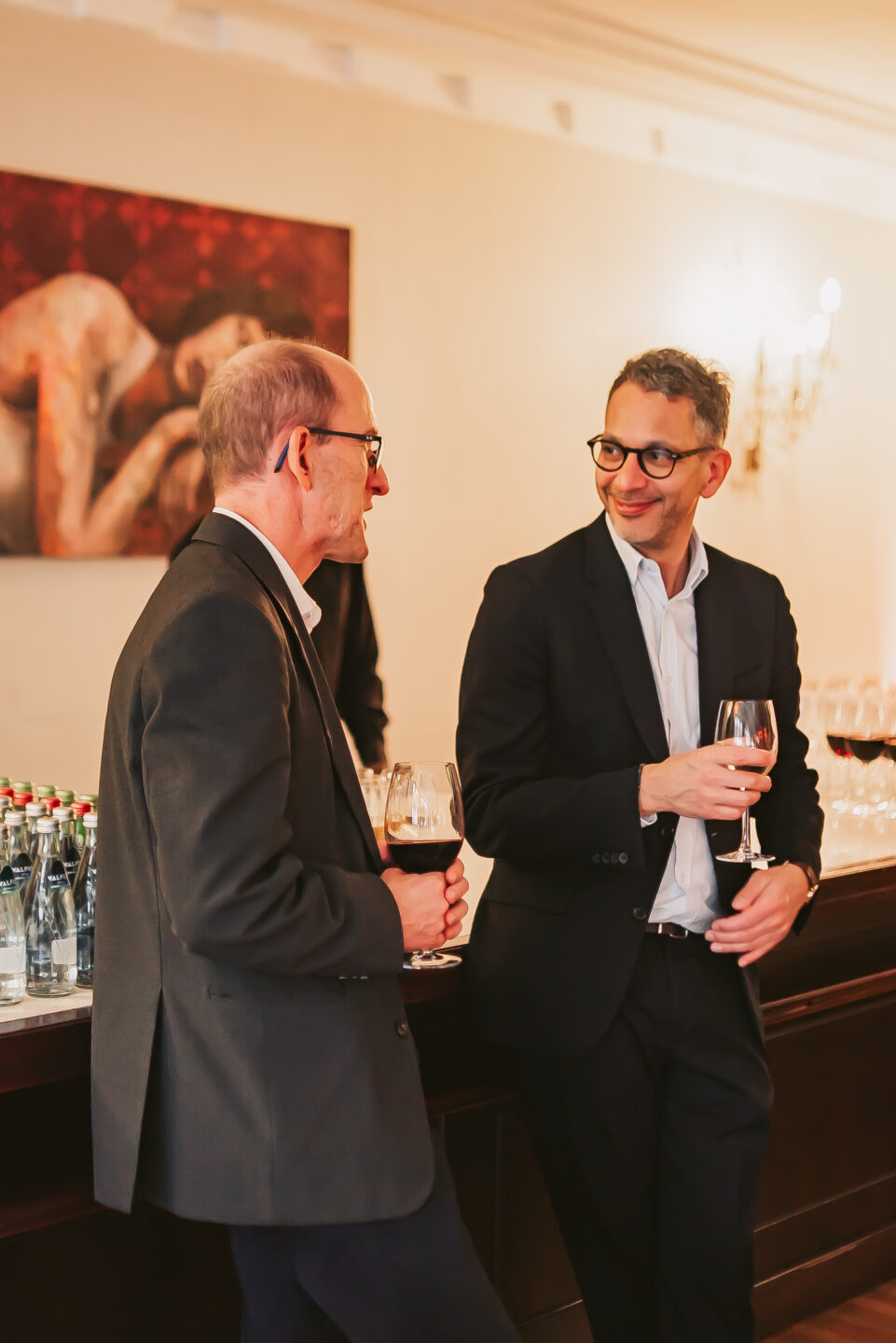
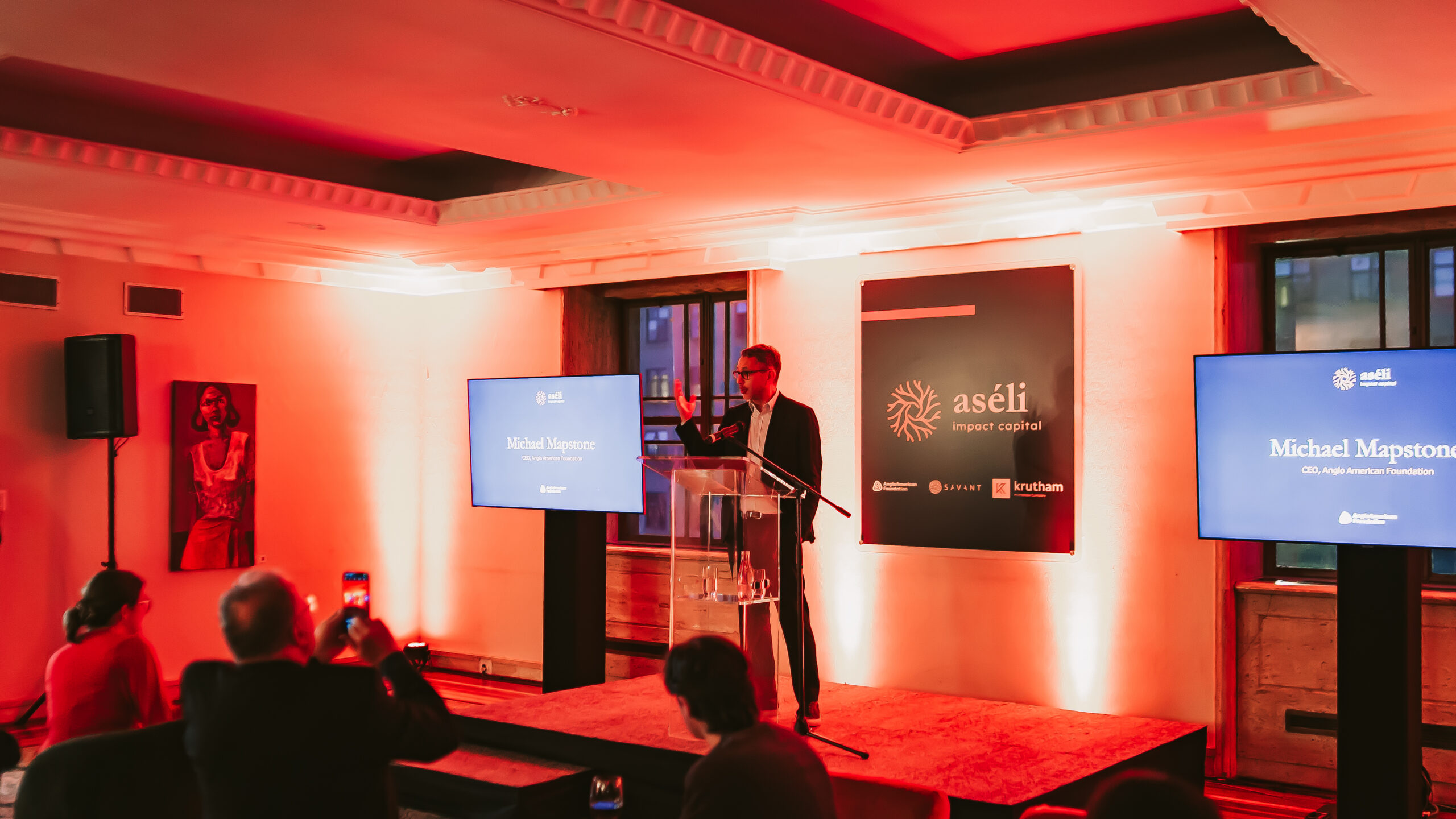
Last night, partners, friends and colleagues gathered at 44 Main in Johannesburg to celebrate the launch of Aseli Impact Capital – a new permanent capital vehicle designed to unlock growth for South Africa’s green and impact economy.

Entrepreneurs, investors, philanthropy leaders and long-time collaborators came together in a space that reflects the spirit behind the initiative: 44 Main, the Anglo American Foundation’s hub for creativity, collaboration and innovation.

Opening the evening, Michael Mapstone, CEO, Anglo American Foundation, welcomed guests and reflected on the challenge that sparked the idea behind Aseli. “South Africa needs to create jobs, especially for its youth. And to create jobs we need a thriving MSME sector that is fit for the future economy,” he said. “Across the country we see extraordinary entrepreneurs turning sunlight into power, waste into opportunity, and ideas into businesses that could transform communities.”

Yet many of these businesses struggle to access the right kind of capital.

“Too big for grants. Too early for commercial debt. Too early, apparently, for anyone willing to back them,” Mapstone said. “As a sector we have been talking about the missing middle for years. What I am proud of tonight is that we stopped talking and we built something.”

A new approach to catalytic capital

Aseli Impact Capital was developed through a collaboration between the Anglo American Foundation, Savant and Krutham after several years of experimentation and learning. Philanthropy, Mapstone explained, has a unique role to play in the investment landscape.

“We have the freedom and the power to do what others cannot,” he said. “Go in first. Be patient. Be flexible. Show that it is possible and make space for others to follow.”

The journey began with a simple question. “About two years ago I asked David from Savant: if you had the freedom, if you weren’t worried about failing, what would you build to bridge this missing middle?” Mapstone recalled.

What followed were months of calls, workshops and conversations to understand what they truly needed to grow. Together with financial advisory firm Krutham, the partners designed a new structure built specifically for impact-driven MSMEs.

The result is Aseli Impact Capital. The name draws inspiration from the Swahili word “asili,” meaning origin or foundation– a fitting description for a vehicle designed to support the starting point of a new generation of businesses.

Built to grow over time

Unlike traditional funds with a fixed lifespan, Aseli is designed as a permanent capital vehicle. When investments succeed and capital returns, it is reinvested into new businesses, allowing the model to grow and support more entrepreneurs over time. “It’s not just a new vehicle,” Mapstone said. “Aseli is built on frameworks that did not exist yet in South African impact investing. Legal structures, governance models and financial mechanisms that had to be developed from scratch.” The concept is already moving from idea to action. Aseli made its *first two investments in green economy MSMEs in December, with further investments planned this year.

Designed for the realities of hardware innovation

Kate, co-founder of Savant, explained why this new model is needed to support businesses building real infrastructure and technologies.

“Savant backs scientists and engineers building solutions to some of the world’s most pressing problems, from energy and climate to advanced manufacturing,” she said. “These are businesses built on hardware innovation, and hardware innovation takes longer and is often capital intensive. That makes it fall outside traditional venture models.”

Through earlier work with green economy MSMEs, Savant saw a clear pattern.

“We don’t lack ideas or technical talent,” she said. “But we do lack the right type of capital to support serious hardware-based businesses as they grow.”

Many promising companies stall because they cannot access capital that matches their needs. Across Africa, nearly 60 percent of green startups never move beyond the pilot stage, leaving significant job creation and climate opportunities untapped.

“Aseli is designed around the operating realities of impact-led SMEs in South Africa,” Kate explained. “It is patient, flexible and accountable, with job creation and long-term resilience at its core.”

The model uses revenue-linked redeemable preference shares, allowing businesses to repay capital in line with revenue performance over eight to ten years.

“We don’t impose fixed debt repayments and we don’t require exits,” she said. “Instead, the structure aligns growth, liquidity and long-term sustainability.”

Ambition for the decade ahead

The Anglo American Foundation seeded Aseli with catalytic capital, moving the concept from idea to reality.

The ambition is significant. By 2030, Aseli aims to:

  • Invest in 35 green economy companies
  • Deploy over R450 million in catalytic capital
  • Avoid 120,000 tonnes of carbon emissions
  • Create 1,200 direct jobs and 4,000 indirect jobs
  • Mobilise over R1 billion in follow-on investment

For Mapstone, the launch represents more than a financial milestone. It is an invitation to the broader investment community.

“We have the talent. We have the innovation,” he said. “Now, we finally have the key to unlock it.”


Read the report

Working alongside experts such as Savant and Krutham, AAF co-designed a more flexible funding model that shows how philanthropy can play a catalytic role in unlocking capital where traditional finance often falls short.
Michael Mapstone, CEO, Anglo American Foundation