A Stage Built by and for Youth
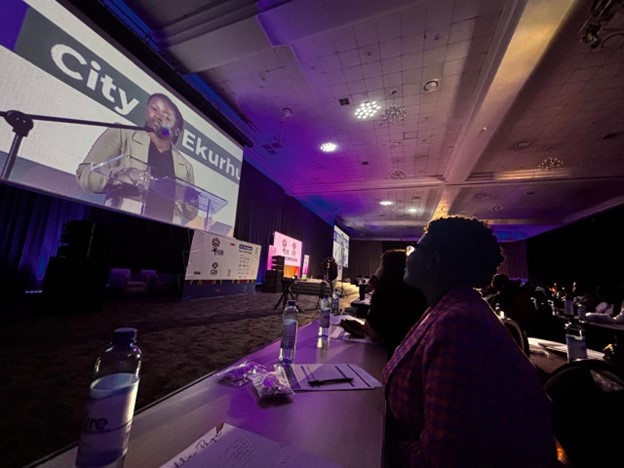
In her opening remarks, Shingi reflected on her own journey of being told she was “too young” to contribute. “I continued to show up and speak up and challenge the status quo. My parents call it hard headedness, I call it tenacity. But someone believed in the power of youth voice and gave me a chance,” she shared.
Her message to delegates was clear: Africa’s young people are its greatest asset, and their leadership is already reshaping the future, “we are a continent of creators, innovators, and problem-solvers where challenges spark ingenuity and tenacity fuels progress. And at the centre of it all is our greatest resource: our youth.”
She also underscored the power of gathering, “this week is about more than speeches and sessions. It is about actively contributing to the decisions that we will make together, about turning ideas into action, and action into lasting change. Over the next few days, you’ll debate, negotiate, and draft policy recommendations. But you’ll also share stories, culture, and visions for your future. You’ll forge connections that last far beyond this summit: the kind of cross-border relationships that shift systems, open markets, and transform lives.”
We are a continent of creators, innovators, and problem-solvers where challenges spark ingenuity and tenacity fuels progress. And at the centre of it all is our greatest resource: our youth.
Youth Economic Inclusion: Beyond the Buzzwords
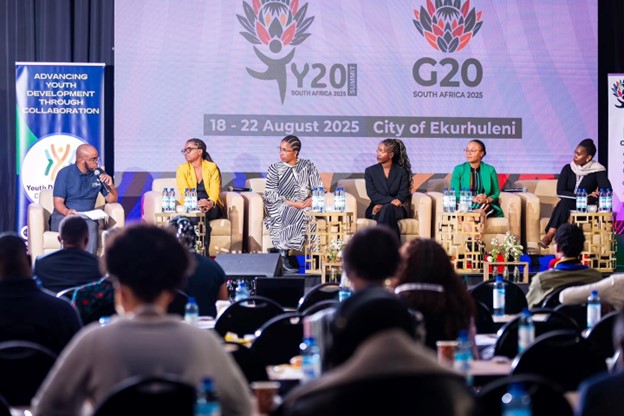
The following day, YD Co-Lab convened a panel of women to discuss youth economic inclusion, which captured both the urgency and the complexity of the challenges ahead. Alongside fellow speakers Farai Ntuli (Accenture), Botshelo Baloyi (UmkhoAI), Thulile Khanyile (Nka’Thuto EduPropeller), and Aisha Jackson (alx_africa), Shingi underscored that true inclusion cannot be addressed in isolation. It requires an ecosystem of support.
She drew attention to the gaps in early-stage financing for youth-led enterprises and the way philanthropic flows are structured. Instead of prescribing solutions, she argued, funders should walk alongside locally-led organisations, co-designing and testing approaches.
“This takes time, it can be messy, but it allows young people to shape innovations that are deeply relevant to their communities” she said. She pointed to the Foundation’s experience of backing circular economy initiatives where young people drive micro-enterprises and even design new tech solutions, such as AI tools for waste management.
Philanthropy must take the risks that corporate cannot. We can walk alongside locally-led organisations, give them space, and test new models. It is messy, but if you give young people the opportunity, the solutions they come up with are relevant to our local communities.
The conversation also addressed the overlooked role of the informal economy. Across Africa and beyond, millions of young people are building livelihoods in ways that do not fit formal structures.
“Our economies are actually driven by informality. We are not saying formalise it, but support it. A young person running a barbershop is putting food on the table. We need to respect that contribution and recognise it as part of society,” she urged.
From Local to Global
What resonated most throughout the sessions was the insistence that global challenges demand local solutions and that those solutions already exist. From youth-led enterprises in the circular economy to grassroots innovations in tech, these ideas are not waiting to be discovered. They are already working, already scaling, already making a difference. By bringing these solutions to the Y20 stage, young leaders are not only shaping policy recommendations. They are also redefining what global cooperation looks like.
Shingi’s words carried a sense of urgency and hope: “Change does not happen in isolation. It happens when your ideas, lived experiences, and ambitions are at the centre of the conversation. This week is about more than speeches. It is about turning ideas into action, and action into lasting change.”
And that is exactly what Y20 delivered. A summit organised by young people, for young people, to make sure their voices are heard on the global stage.
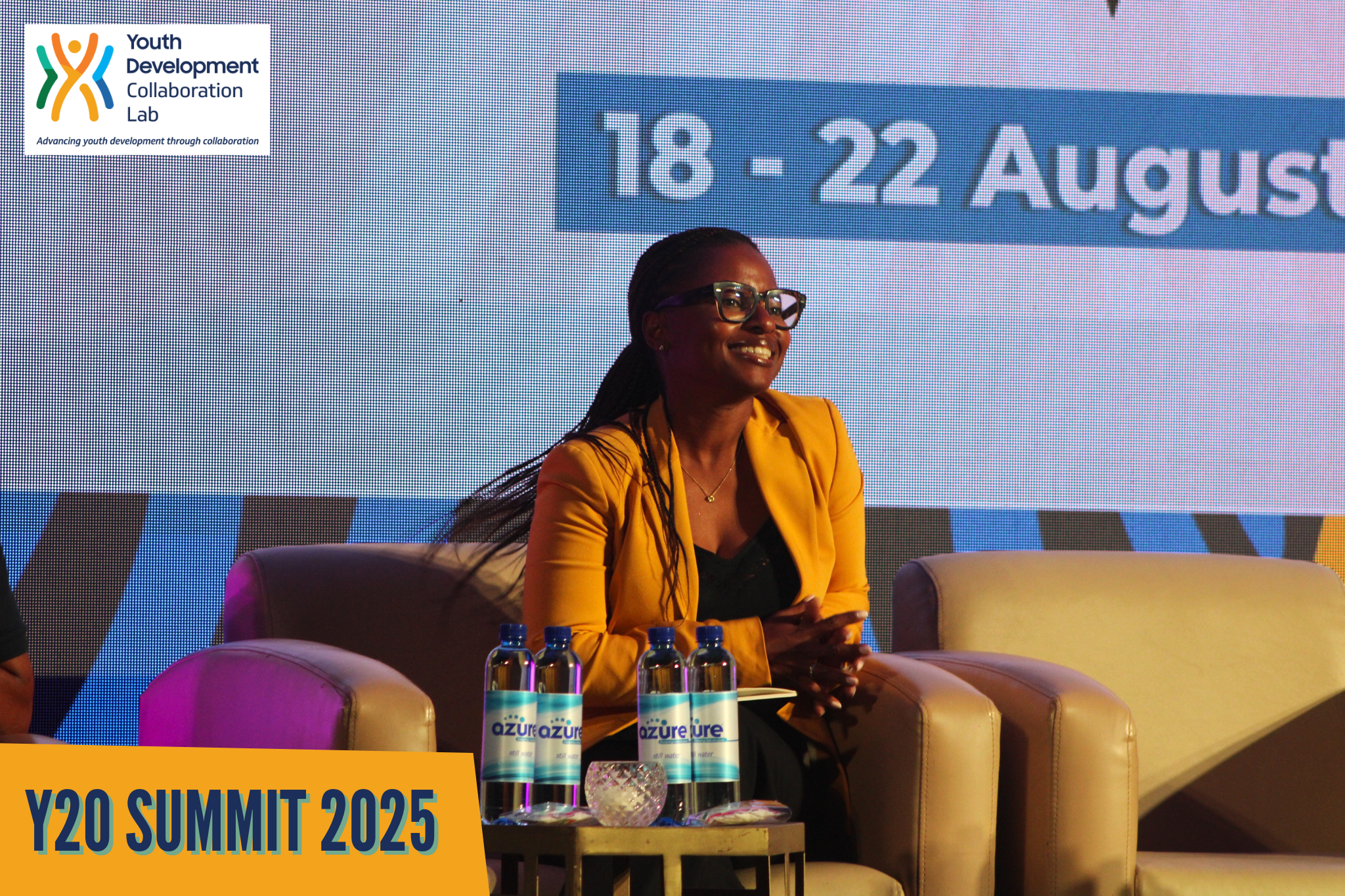
“Change does not happen in isolation. It happens when your ideas, lived experiences, and ambitions are at the centre of the conversation. This week is about more than speeches. It is about turning ideas into action, and action into lasting change.”shingi Bimha, Head of Partnerships and Programmes, Southern Africa, Anglo American Foundation